
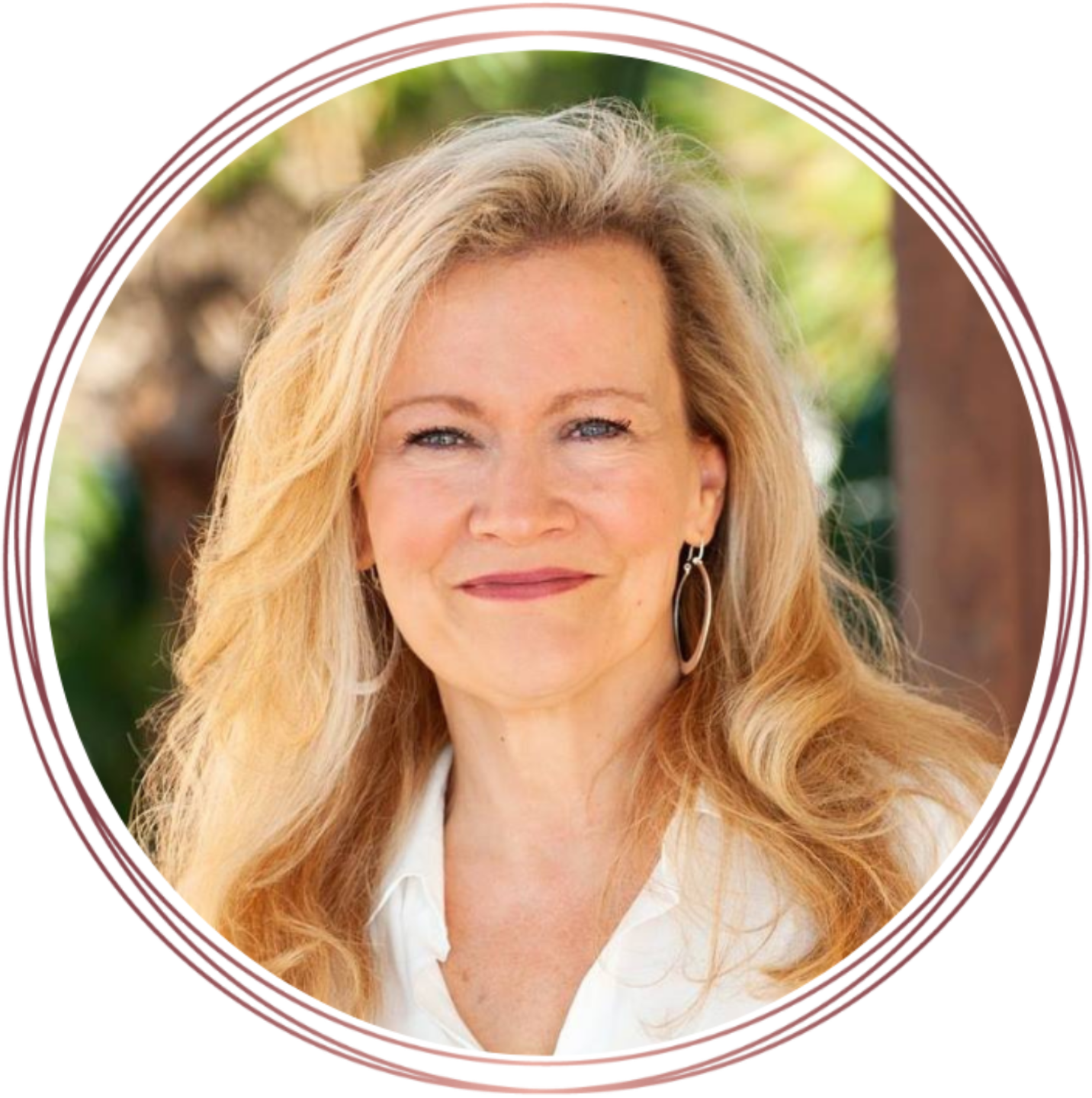
PODCAST WITH

Real conversations, practical wisdom, and encouragement for women embracing change at every stage.
Available on...






"Your survival patterns aren't your enemies. They are messages.
They're trying to communicate to you."
EPISODE 06.
Healing Begins With Safety, Not Shame
Oxygen for Women Podcast
with Perry Janssen
So many women are trying to heal by being hard on themselves—judging their patterns, criticizing the parts of them that learned how to survive. But here's the truth: You don't heal by rejecting those parts or versions of you. You heal by understanding her, by listening, by honoring, and by offering her the safety and compassion she probably didn't have.
If you've ever felt ashamed of your coping mechanisms, confused by your reactions, or frustrated that you're still stuck in patterns you thought should be past, this episode is for you. Perry explores why survival patterns aren't character flaws, why compassion isn't optional, and how to finally step out of self-attack and into healing.
Key Topics Covered
The Foundation: A Truth You Need to Hear
No one heals by hating the version of themselves that coped or survived. The parts of you that you judge—the behaviors you're trying to get rid of, the patterns you wish you didn't have, the parts you feel shame about—they didn't come from weakness. They came from adaptation and survival. And that distinction changes everything.
Survival Is Not a Personal Failure
When we grow up without consistent safety, emotional attunement, or support for our inner world (and really support for who we are authentically), the nervous system does something incredibly intelligent:
It chooses survival over inner connection.
Not because inner connection isn't important (it is one of the most important things), but survival comes first.
Your nervous system learned:
- This is how I get through
- This is how I stay safe
- This is how I make it
What It Created: Survival Patterns
The nervous system adapted miraculously, creating:
- Behaviors
- Impulses
- Coping strategies
- Vices
- Emotional patterns
These allowed you to keep existing, even if later they came at a cost.
These aren't flaws. These are survival patterns.
Under trauma or chronic stress, coping mechanisms are not conscious choices. They don't come from:
- Willpower
- Logic
- Poor character
They come from a nervous system trying to prevent further harm.
What Survival Can Look Like
Survival doesn't look the same for everybody. It can manifest as:
- Ultra-independence: "I don't need anyone. I can handle it myself. Relying on others isn't safe. I can do it all."
- Shutting down emotionally: Disconnecting from feelings because they once felt overwhelming or dangerous, especially if expressed
- Perfectionism: Being good, being right, being flawless to avoid criticism or rejection
- People-pleasing
- Over-functioning
- Self-sabotage: When things get close or good
- Addiction or numbing behaviors
- Hyper-vigilance or reactivity
- Disappearing, minimizing, staying invisible
At one point, these strategies probably worked for you. They may have helped you:
- Avoid abuse
- Get approval
- Stay out of conflict
- Feel some sense of control or connection
- Survive chaos, neglect, or emotional absence
Your nervous system wasn't trying to ruin your life. It was trying to save it.
When Survival Strategies Stop Working
Here is the hard and very tender truth: What protected you then can start to cost you now in the present moment.
Later in life, these same survival strategies can create:
- Chronic stress and burnout
- Anxiety, depression, emotional exhaustion
- Difficulty trusting or receiving love
- Disconnection from your own body, inner life, and yourself
- Conflict or distance in relationships (or sometimes clinging to relationships)
- Overworking and underresting
- A sense of being stuck despite trying so hard
The Quiet Breaking Point
Eventually many women reach a quiet breaking point, a moment when they think:
- "Why isn't this working anymore?"
- "Why do I still feel this way?"
- "What's wrong with me?" (Perry cringes every time she hears this in her practice)
The Trap: Turning Inward with Judgment
Instead of recognizing this moment as a turning point, many women turn on themselves. They judge. They shame (one of the most awful feelings ever). They become harsh, critical, and demanding.
These inner voices think they will motivate change, but here's the truth:
You cannot shame a nervous system into healing.
- Harshness does not create safety
- Judgment does not create growth
- Those critical voices don't move you forward—they keep you stuck
- Patterns formed in fear cannot be undone through fear
Compassion Is Not Optional—It's Neurological
Real change doesn't happen through force. It happens through safety.
Your brain, nervous system, and emotional world shift only when they feel:
- Enough safety to soften
- Enough compassion to stay present
- Enough curiosity to explore without judgment
This is why self-compassion is not soft, indulgent, or optional—it's neurological.
The nervous system cannot reorganize while under attack, even if the attack is coming from inside.
Developing a Different Relationship with Yourself
Perry's whole mission with women is helping them develop a true, healthy, loving relationship with themselves, especially when they feel like they've been in the dregs—burned out, stressed out.
Healing begins when we change how we relate to ourselves, our bodies, our spirit, our soul, our mind.
The Shift in Questions:
Instead of asking: "What's wrong with me?"
Begin to ask:
- "What happened to me?"
- "What did I need then?"
- "What does my body, my soul, my nervous system, my spirit need now?"
This is not about excusing harmful behavior. It's about understanding its origin so it no longer has to run the show.
The Child Analogy
Think about how you would respond to a child who was hurt:
- You wouldn't shame her
- You wouldn't tell her to try harder
- You wouldn't criticize her fear
- You would bring warmth, patience, presence
When we think of children, that's what they really want. They don't want a cookie or a parent telling them, "Well, you should have done it this way. What's the matter with you?"
They want your loving, holding presence of unconditional love.
Your nervous system needs the same.
Survival Patterns Are Information
Your survival patterns aren't your enemies. They aren't something to be hated. They are messages. They're trying to communicate to you.
They point to places where:
- Safety was missing (and where you may feel it now)
- Support was absent
- Emotional intelligence was absent
- Connection wasn't available
When we meet those places with compassion instead of contempt, loathing, or rejection, something really profound happens:
- The nervous system begins to relax (especially when you change your relationship with your being)
- The body begins to trust
- The patterns begin to soften—not because you force them to, but because they are no longer needed in the same way
A Message for Those Who've Been Hard on Themselves
If you've been giving yourself a hard time:
- "What's wrong with me?"
- "Why am I still stuck in this?"
- "Why is my mother issue still coming up?"
- "Why am I stuck in this relationship?"
If you've felt ashamed of how you're coping, if you've tried to change through pressure and punishment, hear this clearly:
You don't heal by rejecting the versions of you that are trying to cope and survive. You heal by honoring and listening to her and giving her what she never had:
- Safety
- Understanding
- Compassion
- Care
- True presence
Sometimes really developing and discovering what true presence means changes over time—it's a practice. It's not something you click your fingers and bam, it happens. But this is all about recovering yourself.
Closing Message
The parts of you that learned how to survive aren't your enemies. They are the proof of your intelligence, your resilience, and your will to live.
You didn't choose your coping mechanisms and patterns because something was wrong with you. You chose them because something in you was trying to protect you.
And now, if those patterns no longer serve you, that doesn't mean you failed. It means you're ready for something more true, more gentle, really more whole.
Healing doesn't happen through pressure or self-attack. It happens through:
- Safety
- Compassion
- Deep, true embodied presence
Instead of asking yourself "What's wrong with me?" try asking "What happened to me?" and "What do I need now?"
That question alone can begin to soften years of struggle.
Powerful Quotes
"No one heals by hating the version of themselves that coped or survived."
"The parts of you that you judge—the behaviors you're trying to get rid of, the patterns you wish you didn't have, the parts you feel shame about—they didn't come from weakness. They came from adaptation and survival. And that distinction changes everything."
"Survival is not a personal failure."
"Your nervous system wasn't trying to ruin your life. It was trying to save it."
"What protected you then can start to cost you now in the present moment."
"You cannot shame a nervous system into healing."
"Harshness does not create safety, and judgment does not create growth."
"Patterns formed in fear cannot be undone through fear."
"Self-compassion is not soft, indulgent, or optional—it's neurological. The nervous system cannot reorganize while under attack, even if the attack is coming from inside."
"Your survival patterns aren't your enemies. They are messages. They're trying to communicate to you."
"You don't heal by rejecting the versions of you that are trying to cope and survive. You heal by honoring and listening to her and giving her what she never had."
"The parts of you that learned how to survive aren't your enemies. They are the proof of your intelligence, your resilience, and your will to live."
"It means you're ready for something more true, more gentle, really more whole."
Join the Movement
If this episode resonated with you, you don't have to walk this path alone. Inside of Oxygen for Women, Perry offers a monthly restorative space for women who are ready to step out of stress culture and into a new way of relating to themselves through:
- Gentle, compassionate presence
- Emotional wisdom
- Body presence
It's not about fixing yourself. It's about recovering yourself.
Learn more at oxygenforwomen.com
Call to Action
May you meet yourself with more kindness, warmth, tenderness, a little more curiosity, and a whole lot of oxygen.
Subscribe to the podcast and join the movement of women recovering and reclaiming themselves.
Oxygen for Women: Your weekly breath of renewal, where psychology meets spirituality in a grounded way, where healing meets real life, and where women can come home to themselves.
DOWNLOAD THE EPISODE TRANSCRIPTSubscribe for weekly episodes
and get it delivered right into your inbox!
Oxygen for Women is your weekly dose of inspiration and actionable strategies designed for the modern woman.

Download the Free Guide & Somatic Practice
Let’s give you the education you needed the most and didn’t get. Here is the #1 proven practice for navigating burnout, stress patterns, and feeling stuck to empower you and strengthen your resilience, peace, and joy of life.
